In nearly a half-century as a Georgia lawyer, starting when we had spittoons in jury boxes, bailiffs called greenhorn lawyers “Colonel,” and computers were just huge mainframes in large institutions, I have seen a lot of change.
I have tried serious injury cases for over forty years. Years ago, I saw terribly low verdicts for catastrophic harm. More recently, we have seen eight-figure verdicts that would have shocked judges when I was a puppy lawyer. What changed?
Insurance defense folks in their seminars have used phrases like “nuclear verdicts.” That makes it sound reckless or irrational. But in my experience, most juries take their job seriously. They discuss seriously the facts of the case and legal principles on which the judge instructs them.
They also bring into the jury room their experience in the world in which we live.
Here are ten reasons verdicts have grown.
1. Big Numbers Don’t Shock People Like They Used To
Inflation has reshaped expectations. The U.S. Bureau of Labor Statistics tracks the steady rise in consumer prices through the Consumer Price Index. Citizens who wind up on juries see that in real time every time they buy groceries, gas, or homes.
They hear news reports of tycoons and even some politicians reaping billions on wild-sounding deals in technology, crytocurrency, etc. The “b word” (billion) seems little more fanciful than the “m word” (million) did 50 years ago.
When an economist projects $6 or $8 million over a lifetime of care, it no longer sounds imaginary. It sounds expensive but credible.
2. Medicine Keeps People Alive But At a Cost
When I was growing up, the ambulance arriving at a wreck scene was often operated by the funeral home. The after-school and weekend job of one of my high school classmates was to drive the “meat wagon.” There was no first responder training and no paramedic on the scene to stabilize a catastrophically injured person. Too often, they just went straight to the funeral home.
Many catastrophic injuries were fatal. Today, emergency medicine and advanced trauma care and rehabilitation save lives. But survival comes at a price. Often, it requires decades of structured support. Life care planners build detailed projections based on medical research and standards published through sources like the National Institutes of Health.
Jurors understand that survival without resources can mean suffering. They award money to fund stability.
3. Corporate Trust Has Eroded
Public trust in major institutions has declined over the years since Watergate. Surveys from the Pew Research Center egularly document this trend.
When internal documents and emails show ignored safety complaints or cost-cutting decisions, jurors can easily connect it to a broader narrative about profit over people. That matters in the jury room with rules-oriented jurors who distrust institutions.
In planning mock jury focus groups, we have often deliberately limited the group to the most politically and socially conservative people. They have surprised us by coming up with numbers much higher than a mock jury that represented a broader cross-section of the population.
4. Safety Rules Are Clear and Public
In trucking, aviation, medicine, and manufacturing, safety standards are spelled out in black and white. For example, commercial motor carriers operate under federal rules issued by the Federal Motor Carrier Safety Administration, which are simply explained in the Commercial Drivers License Manual. Commercial truck drivers and safety managers have no credible way to deny those are the industry standards they are supposed to follow.
Clear rules make liability feel concrete. When a company violates a clear safety rule, jurors see it not as just an accident but a deliberate and unsafe choice.
5. Social Media Changed the Background Noise
Years ago, corporate misconduct stayed local. Today, bad news travels fast. Anything that makes news anywhere seems local and immediate. Jurors have watched stories about defective products, data breaches, and regulatory failures. That background shapes how they interpret evidence. Jurors do not enter the courtroom empty-headed.
6. Trial Lawyers Tell the Story Differently Now
Modern trial strategy focuses on safety and preventability. Lawyers talk not about sympathy but about common sense safety rules and how small decisions cascade into harm.
7. Anchoring Influences Damage Awards
When a lawyer suggests a specific figure for pain and suffering, that number becomes a reference point. Jurors may reduce it, but they rarely ignore it. Anchoring is not just manipulation. It is human cognition at work. Psychologists have long studied how framing affects judgment. The concept of cognitive “anchoring” is well established, including in research summarized by the American Psychological Association.
The Georgia legislature in its latest “tort reform” tried to stop anchoring by enacting OCGA § 9-10-184, which provides, “ In the trial of a civil action for personal injuries, counsel shall be allowed to argue the worth or monetary value of pain and suffering to the jury; provided, however, that any such argument shall conform to the evidence or reasonable deductions from the evidence in the case.”
In legislative debate, politicians talked about stopping lawyers from analogizing to the price of paintings and race horses. However, an experienced trial lawyer has no need to talk about such crudely irrelevant distractions. A good advocate can easily suggest to jurors a way to calculate value based on the evidence and reasonable deductions. Nearly two decades ago, I gave jurors a methodology tied to the evidence and linked to reality in their rural county through which they calculated a verdict a million dollars more than I asked for.
8. Younger Jurors View Institutions Differently
Now on the senior end of the generation gap, I have seen several times how generational shifts are real. Many younger jurors grew up during the financial crisis, corporate scandals, and rising inequality. They carry student debt. They have seen layoffs. They question concentrated power more readily.
This does not mean they are anti-business. It means they may weigh accountability differently than their parents or grandparents.
9. Transparency About Corporate Wealth
Public companies disclose executive compensation and financial performance through filings with the U.S. Securities and Exchange Commission. We all see news reports about individuals making billions on crypto or a tech tycoon closing in on a trillion dollars net worth, it registers. Even billboards for the lottery touting jackpots over a billion dollars feeds the idea that it could happen to them. At some level, all that registers. When jurors see astronomical CEO bonuses alongside safety violations, they calibrate verdicts accordingly.
A verdict that once seemed massive may now feel proportional.
10. Preventable Harm Sparks Moral Reaction
The most significant driver of large verdicts is not sympathy but preventability.
An impaired or fatigued trucker. A manufacturer that ignored a recall warning. A hospital that brushed aside red flags. When jurors conclude, “This did not have to happen,” damages climb. Moral judgment is powerful. It always has been but now it carries a bigger price tag.
Large verdicts do not come from thin air. They usually arise from clear liability and serious, permanent harm. Venue still matters. Facts matter more. I have seen conservative rural counties return modest verdicts in serious cases and urban juries surprise plaintiffs with restraint. But I have also seen the opposite, surprisingly adequate verdicts in the most conservative venues.
Money is the only remedy our civil system offers. Jurors know that. They cannot undo a spinal cord injury or restore a dead child. They can only assign responsibility in dollars.
After decades in the courtroom, I recognize that modern verdicts reflect modern expectations about safety, accountability, and dignity. When people on a jury believe a company or individual chose risk over safety, they are not afraid to respond firmly.
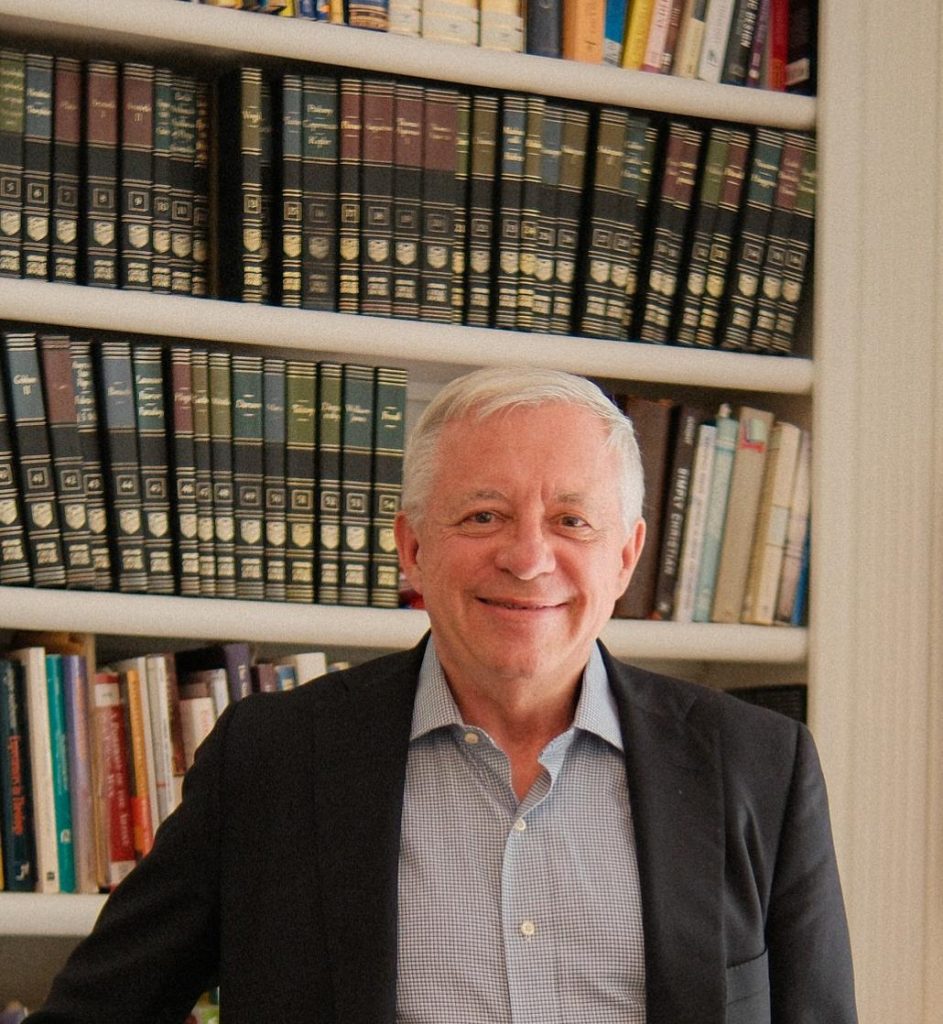
Ken Shigley, senior counsel at Johnson & Ward, Atlanta’s oldest personal injury specialty law firm, is a former president of the State Bar of Georgia. He was the first Georgia lawyer to earn three board certifications from the National Board of Trial Advocacy: Truck Accident Law, Civil Trial Practice, and Civil Pretrial Practice. He was the lead author of eleven editions of Georgia Law of Torts: Trial Preparation and Practice, and received the Traditions of Excellence Award from the State Bar of Georgia General Practice and Trial Section. B.A., Furman University; J.D., Emory University Law School; Certificates in mediation and negotiation, Harvard Law School. He began his career as an Assistant District Attorney, then worked a decade in an insurance defense law firm before entering plaintiffs’ practice.